The evolution of gambling A historical perspective on азартні ігри
Origins of Gambling: Ancient Civilizations
The history of gambling can be traced back to ancient civilizations, where games of chance were interwoven with cultural rituals and social practices. The earliest records of gambling date to around 3000 BC in China, where rudimentary games of chance emerged, utilizing dice made from animal bones. Similarly, in ancient Egypt, people engaged in betting activities, often during religious festivals, reflecting a deep connection between gambling and community life. Today, you can explore no kyc casinos for an anonymous gaming experience.
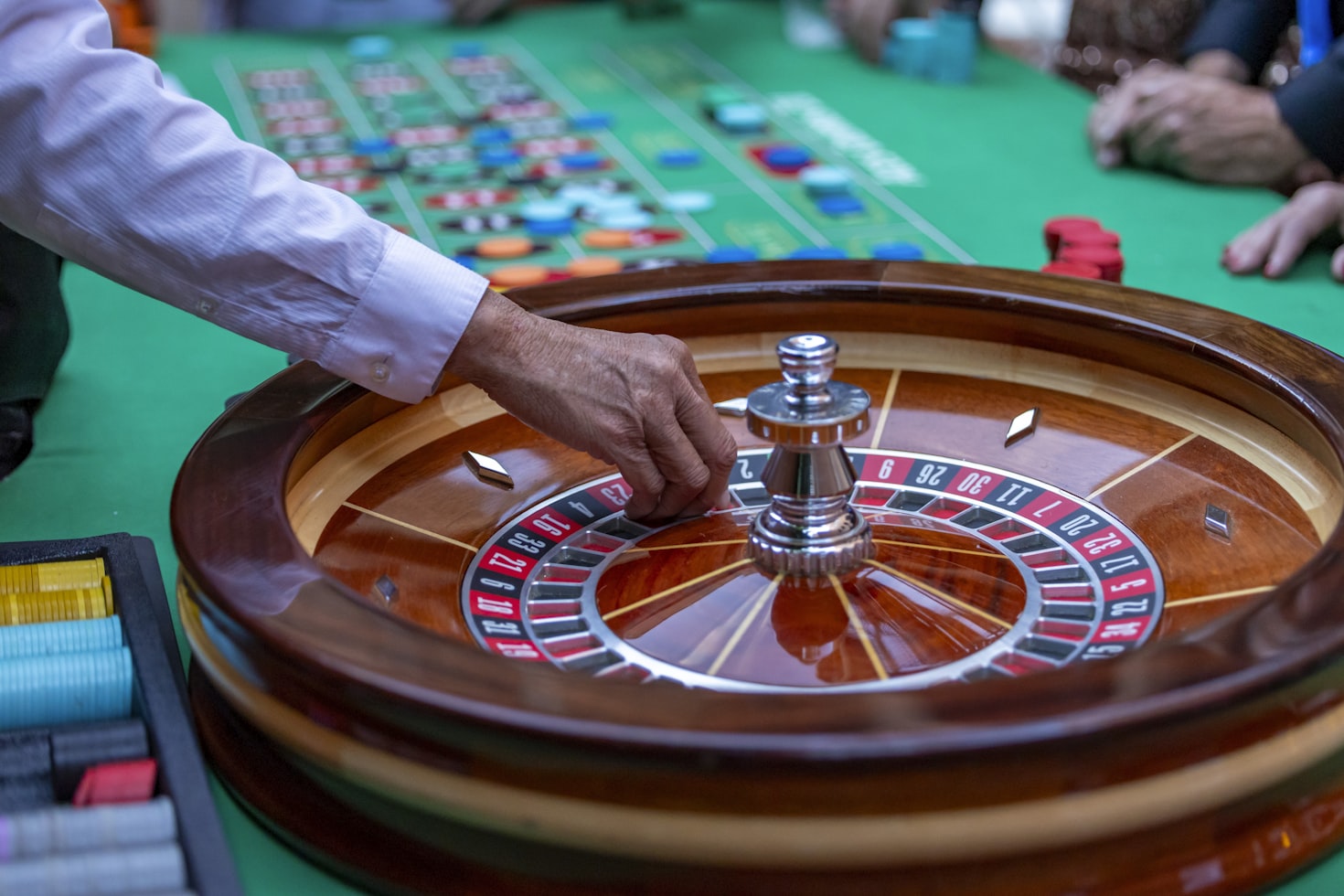
As these societies evolved, so did their forms of gambling. In ancient Rome, gambling became a popular pastime among citizens, with various games like dice and betting on gladiatorial contests becoming commonplace. This period marked the beginning of organized gambling, setting the stage for more structured gaming establishments in the future.
The Rise of Commercial Gambling
The Middle Ages saw the rise of commercial gambling, particularly in Europe. The introduction of playing cards in the 14th century led to the establishment of gaming houses, where aristocrats and commoners alike would gather to play games of chance. The legalization of lotteries in various countries further spurred interest in gambling, turning it into a means for funding public projects and military endeavors.
This era also witnessed the emergence of casinos. The first recognized casino, Ridotto, opened in Venice in 1638, setting a precedent for the luxurious gambling establishments we see today. These casinos not only catered to the wealthy but also became social hubs, fostering a unique atmosphere of entertainment and risk.
Modernization and Regulation of Gambling
The 19th century marked a significant turning point in the evolution of gambling as it became more regulated. Governments began to recognize the potential economic benefits of gambling, leading to the establishment of state-sponsored lotteries and regulated betting operations. This regulation aimed to curtail illegal gambling activities and ensure fair play.
Furthermore, advancements in technology brought about significant changes in gambling practices. The introduction of mechanical slot machines in the late 19th century revolutionized the gambling industry, making it accessible to a broader audience. This period also saw the expansion of gambling into new territories, with establishments opening in the Americas and beyond.
The Psychological Aspect of Gambling
The psychology of gambling plays a crucial role in understanding its evolution. Many individuals are drawn to gambling for its thrill and the possibility of winning, but psychological factors such as risk-taking behavior and the allure of escapism are equally significant. The unpredictability of gambling outcomes often triggers emotional responses, which can lead to repeated play despite potential losses.
Additonally, the rise of online gambling has transformed the landscape, allowing individuals to gamble from the comfort of their homes. This shift has raised new psychological considerations, as the anonymity of online platforms can lead to increased risk-taking and potential gambling addiction. Understanding these psychological aspects is essential in addressing the challenges associated with modern gambling.

Exploring the Future of Gambling
As we look to the future, the gambling industry continues to evolve rapidly. Technological advancements, particularly in the realms of virtual reality and blockchain, are poised to reshape how gambling is experienced. No KYC casinos are gaining popularity, offering players the chance to enjoy gaming without the constraints of identity verification, which enhances privacy and accessibility.
This evolution reflects changing societal attitudes toward gambling, with a growing emphasis on responsible gaming practices. With an increasing number of players seeking anonymity and convenience, the gambling landscape is becoming more diverse, accommodating a wide range of preferences and playing styles.